Discover
The Spatial Maths’ effect
-
Average student growth above control
= 5 months -
Average effect size growth above control
= 0.4 -
Statistically significant differences in maths performance, controlled by pre-test maths scores
-
Maths improvement was more than double that of students not involved in program
Program Benefits
For Schools
Numeracy Growth
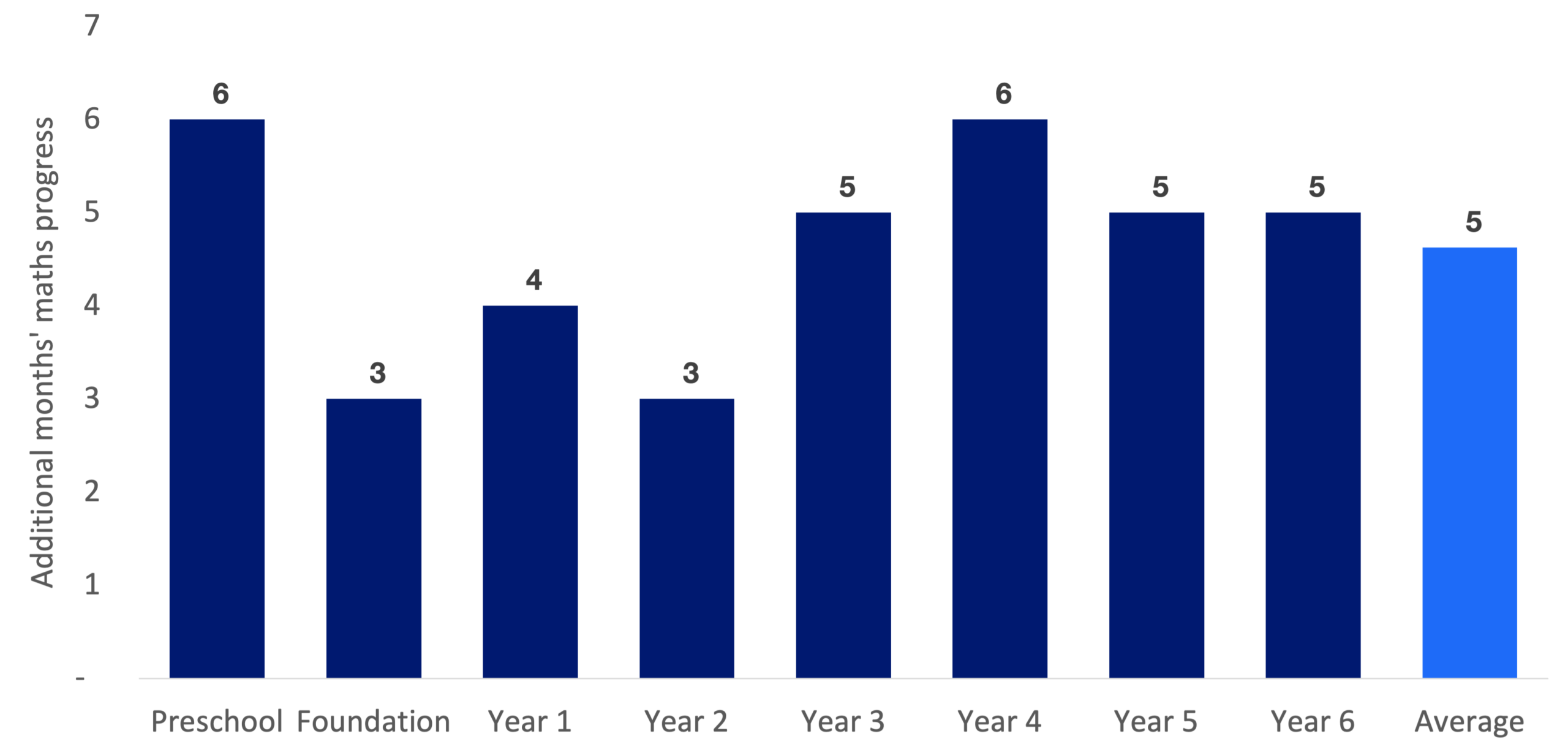
Substantial, measurable growth in numeracy, with outcomes validated through NAPLAN results — evidence that the program delivers consequential academic gains for students. See bar graph below.
Curriculum Coverage
Comprehensive coverage of the space, measurement and algebra strands, ensuring considerable breadth and coherence across the Australian curriculum V9.
Tested and Proven
Rigorously evaluated under randomised control conditions — the gold standard in educational research — providing a robust evidence base that is rare.
For Teachers
Easy To Implement
Just 60-90 mins of weekly class time. 40 teacher-friendly prepared and sequenced lesson plans for a whole school year (one per week). Student and class management. All within our online portal (LMS).
Real-Time Assessment
Real-time formative assessment embedded throughout, providing teachers with immediate insights into student progress and achievements.
Online PL & Help Desk
Online interactive games and challenges for students that develop spatial reasoning skills and reinforce learning in classroom-based activities.
For Students
Digital Challenges
Fun online interactive challenges for students that develop spatial reasoning skills and reinforce learning in classroom-based activities.
Classroom Activities
Hands-on classroom activities that further develop spatial reasoning skills and allow students to apply learnings from the digital games.
Be A STEM Practitioner
Students learn about STEM practitioners by undertaking integrated units that draw on spatial skills developed throughout the program, and applying them within real-world contexts.
Digital Games and Challenges
Foundation Year – Spatial Language
16 Digital Games
- Spatial Ordering
- Location & Transformation
- Computational Thinking: Abstraction
- Patterns
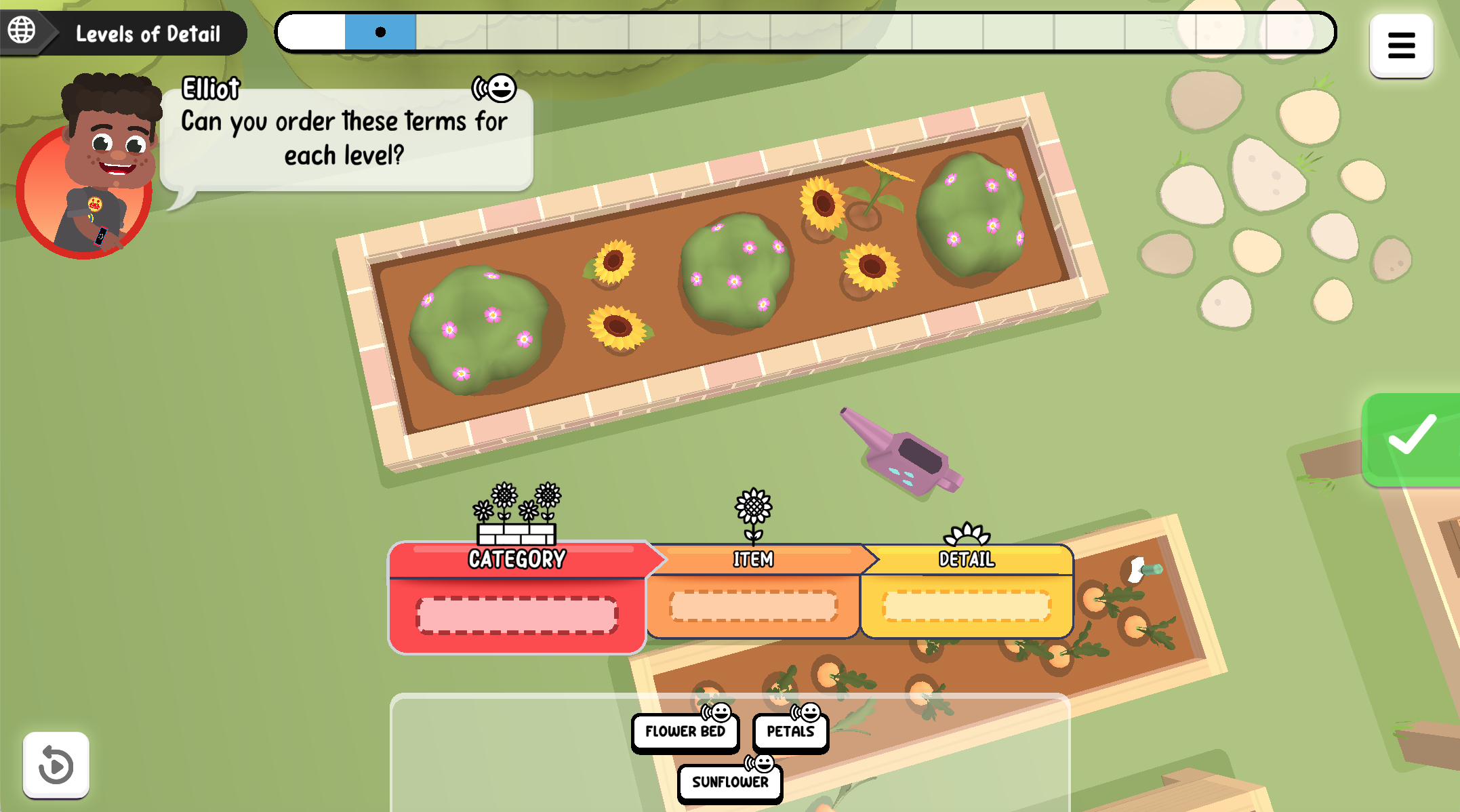
Year One – Spatial Embodiment
16 Digital Games
- Decoding Data & Information
- Spatial Measurement
- Sequencing & Decision-Making
- Mechanical Reasoning/Simple Machines
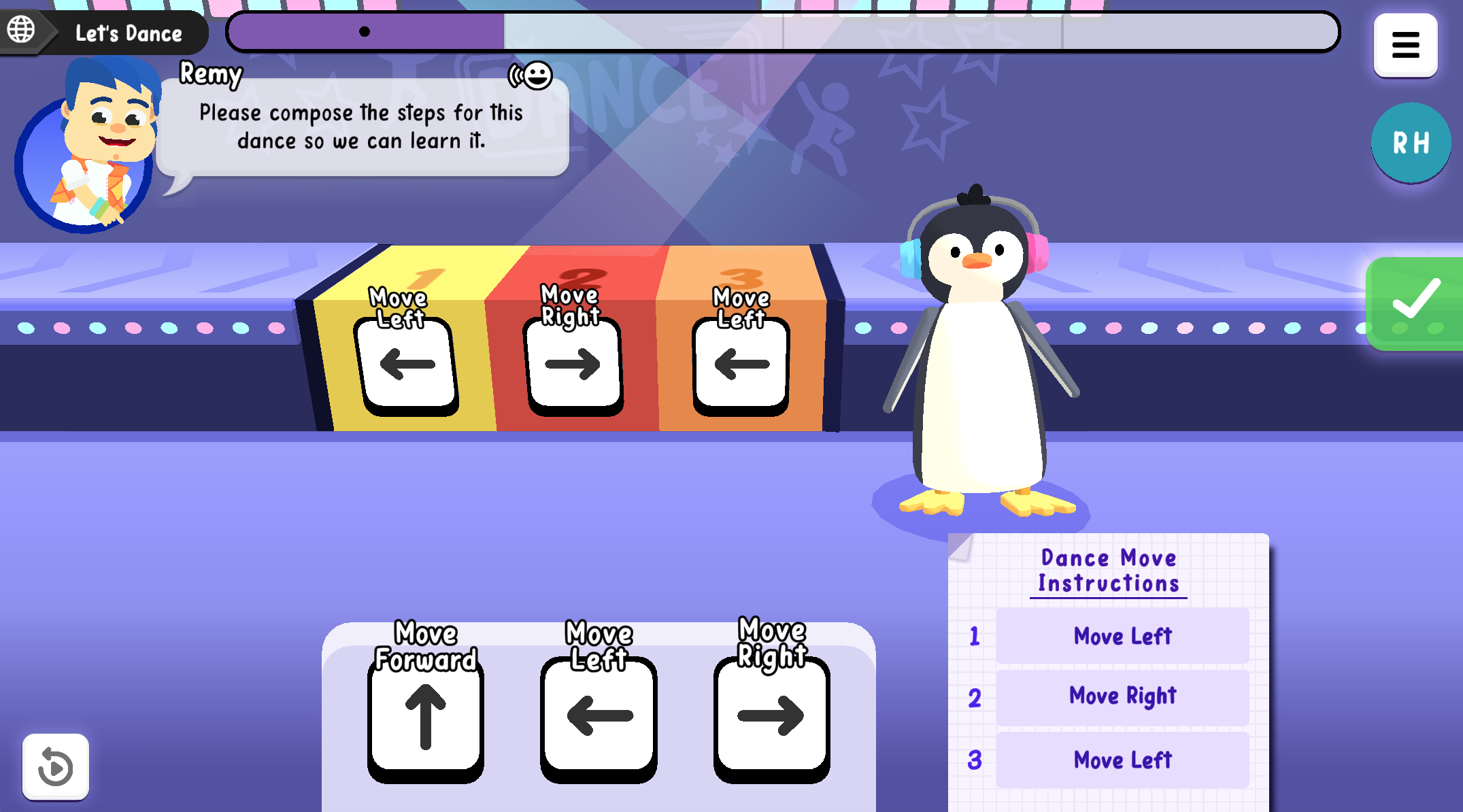
Year Two – Spatial Representation
17 Digital Games
- Debugging
- Spatial Transformations: Movements & Rotations
- Graphic Languages
- Fractions
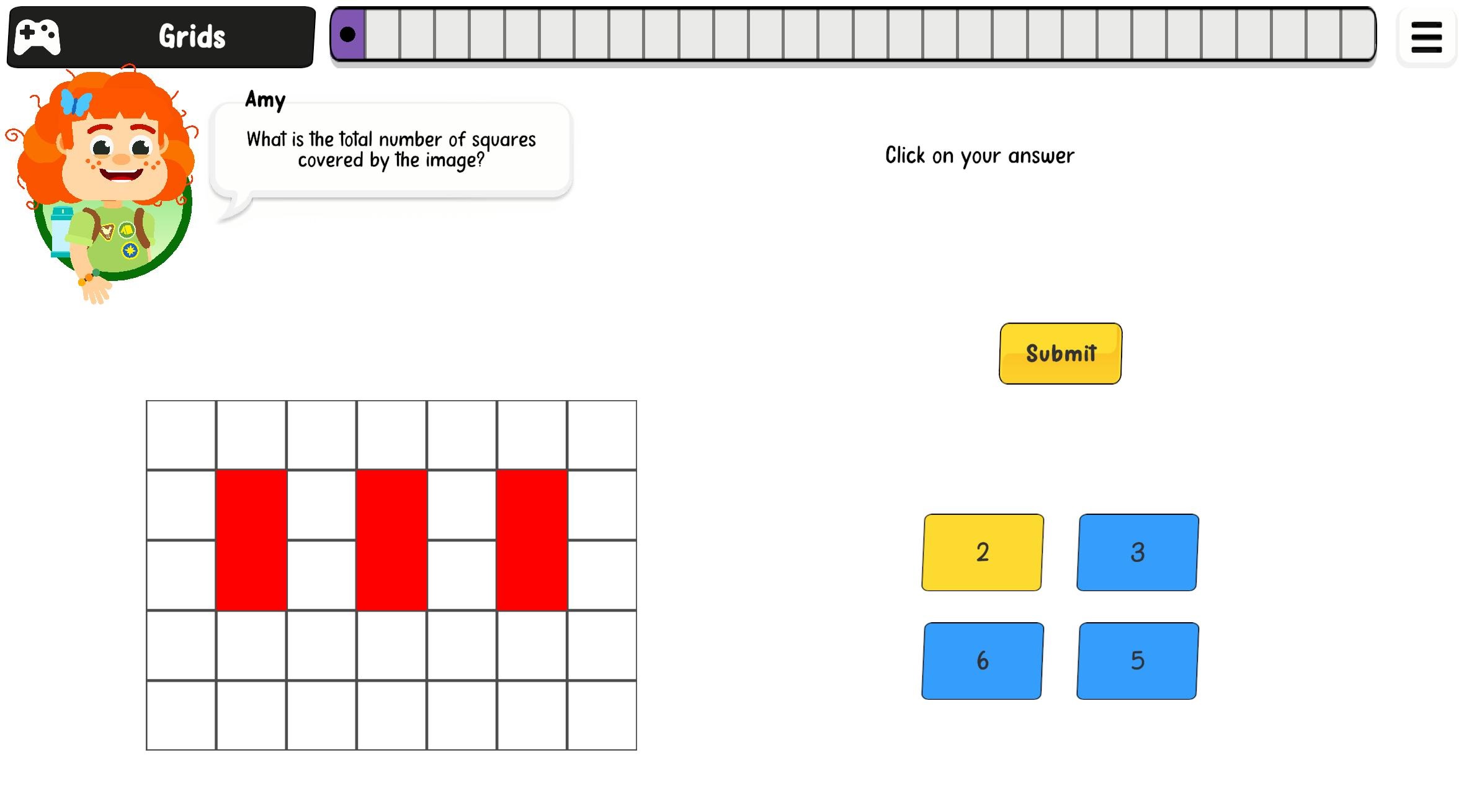
Year Three – Spatial Structuring
8 Digital Challenges
- Shapes
- Grids
- 3 levels of complexity
- Timed quizes
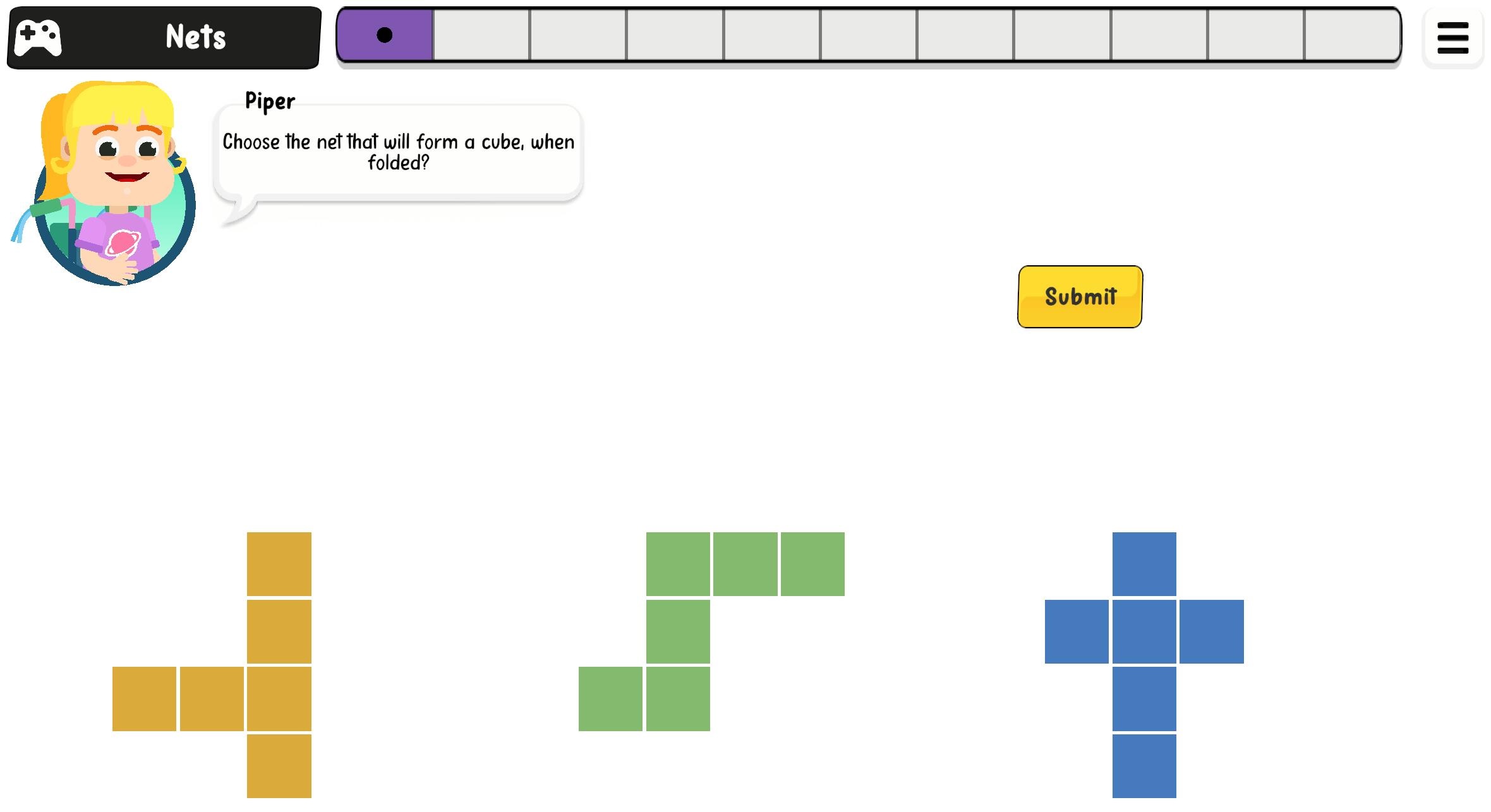
Year Four – Spatial Visualisation
8 Digital Challenges
- Reflections
- Nets
- 3 levels of complexity
- Timed quizes
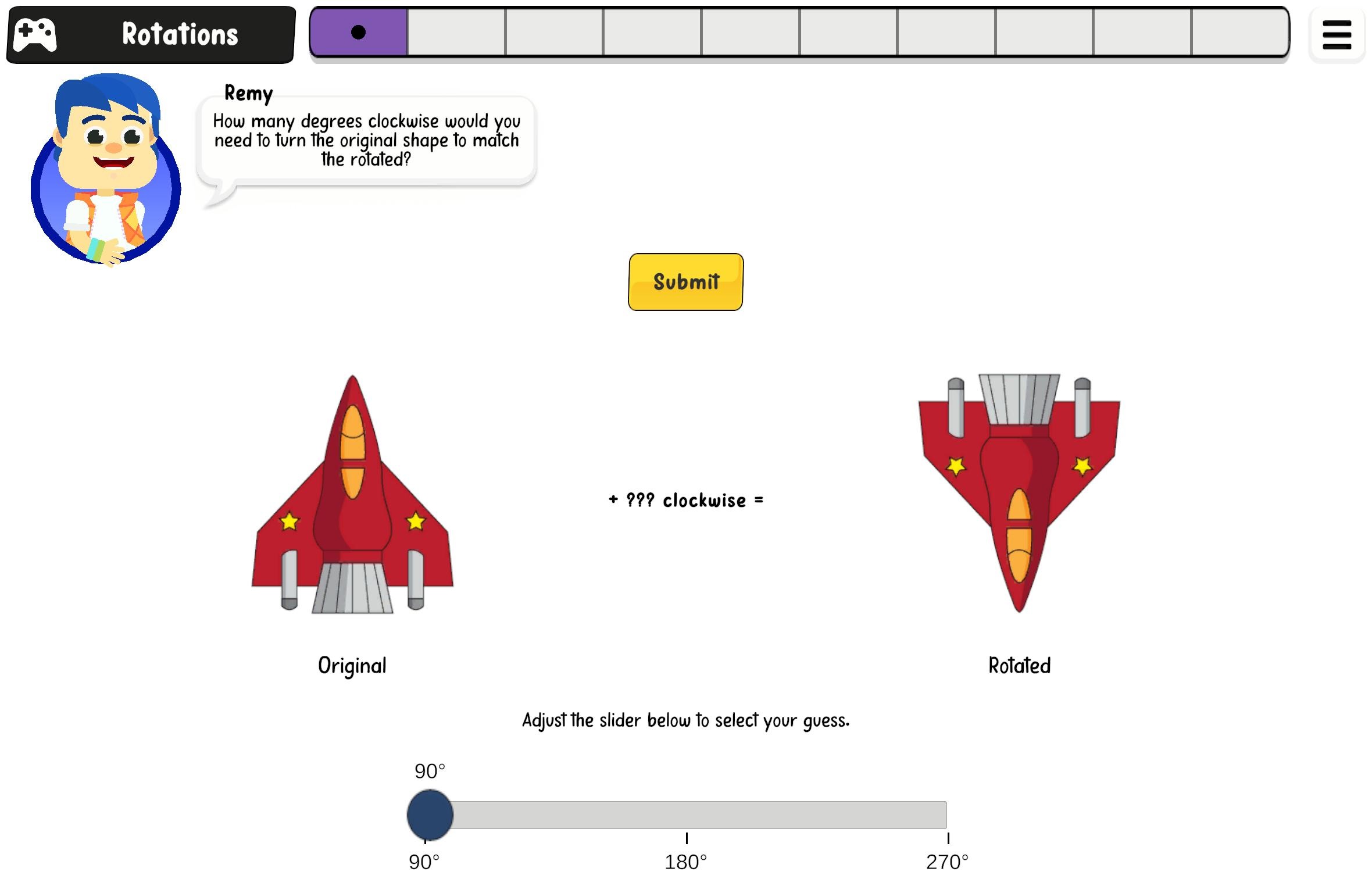
Year Five – Mental Rotation
8 Digital Challenges
- Rotations
- Blocks
- 3 levels of complexity
- Timed quizes
Year Six – Spatial Orientation
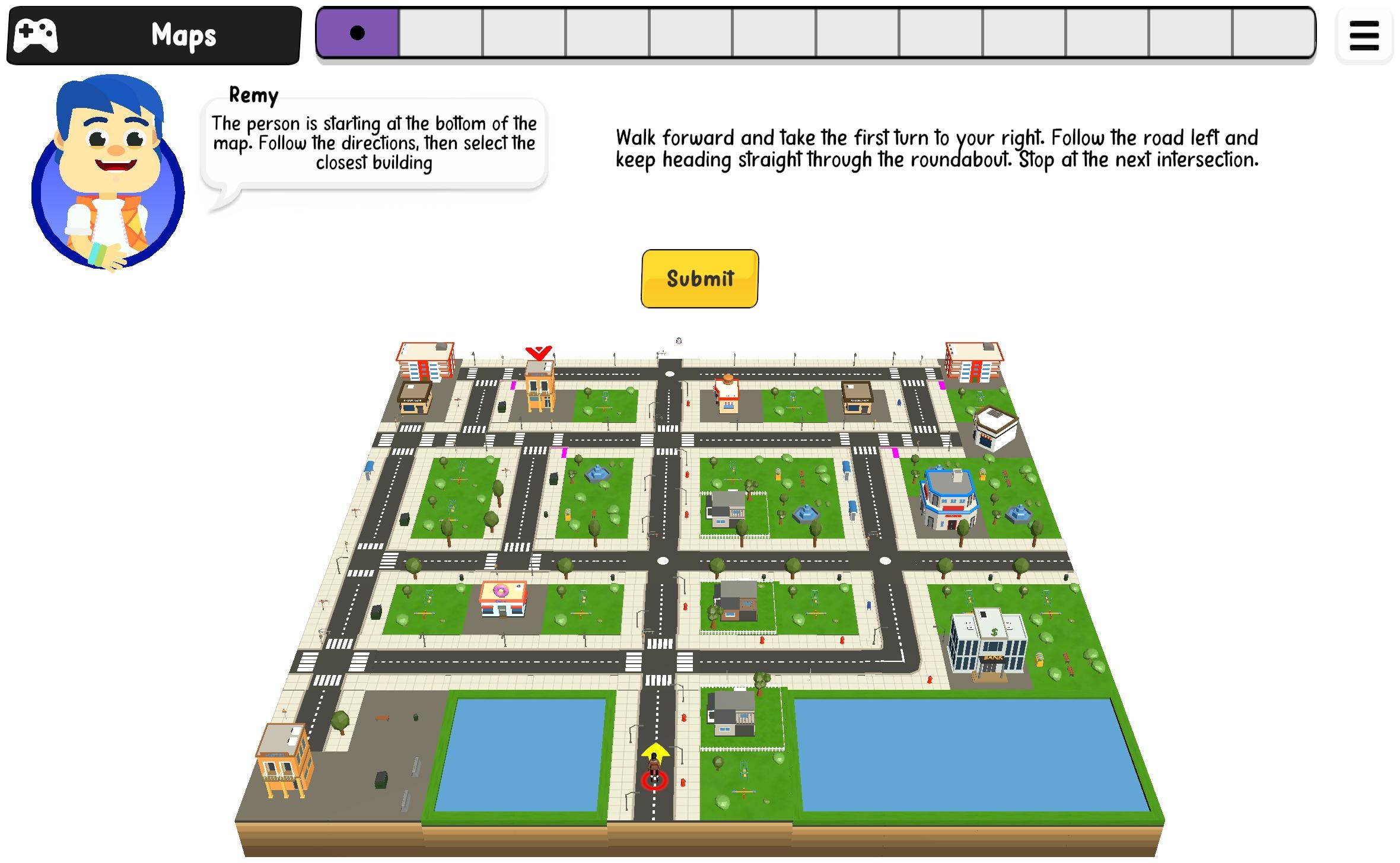
11 Digital Challenges
- Perspective
- Maps
- 3 levels of complexity
- Timed quizes
STEM Practitioner Units
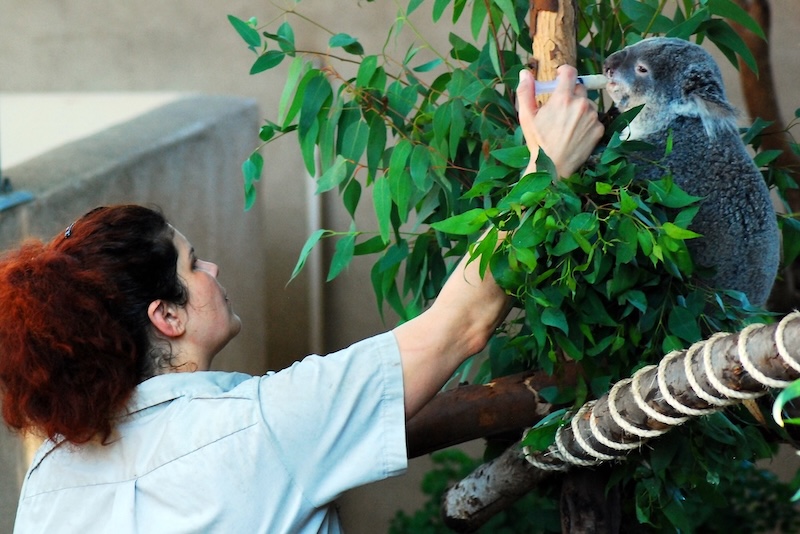
Foundation Year – Becoming a Zoologist
Students will learn about:
- Position and direction language to describe location
- Sorting and classifying by visual features
- Mapping a familiar space using invented symbols
- Perspective taking: imagining a bird’s-eye (drone) view
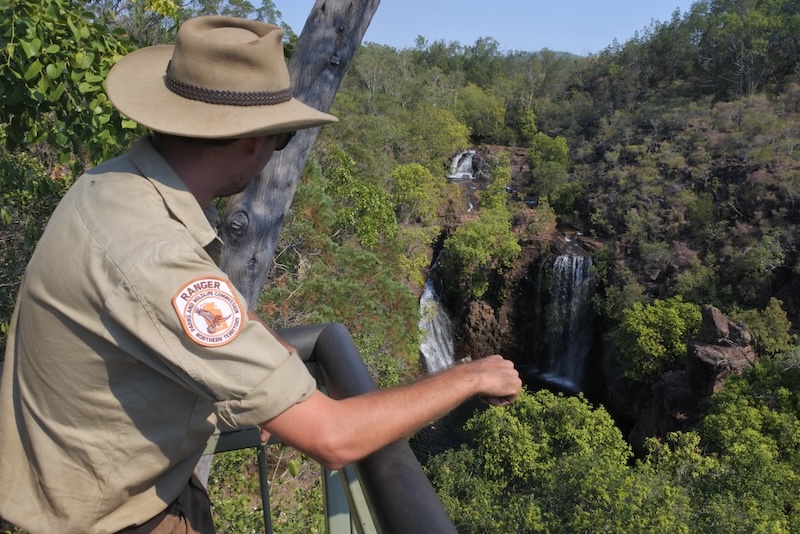
Year One – Becoming a Park Ranger
Students will learn about:
- Position, direction and distance language to describe an environment
- Reading, drawing and interpreting maps with a legend
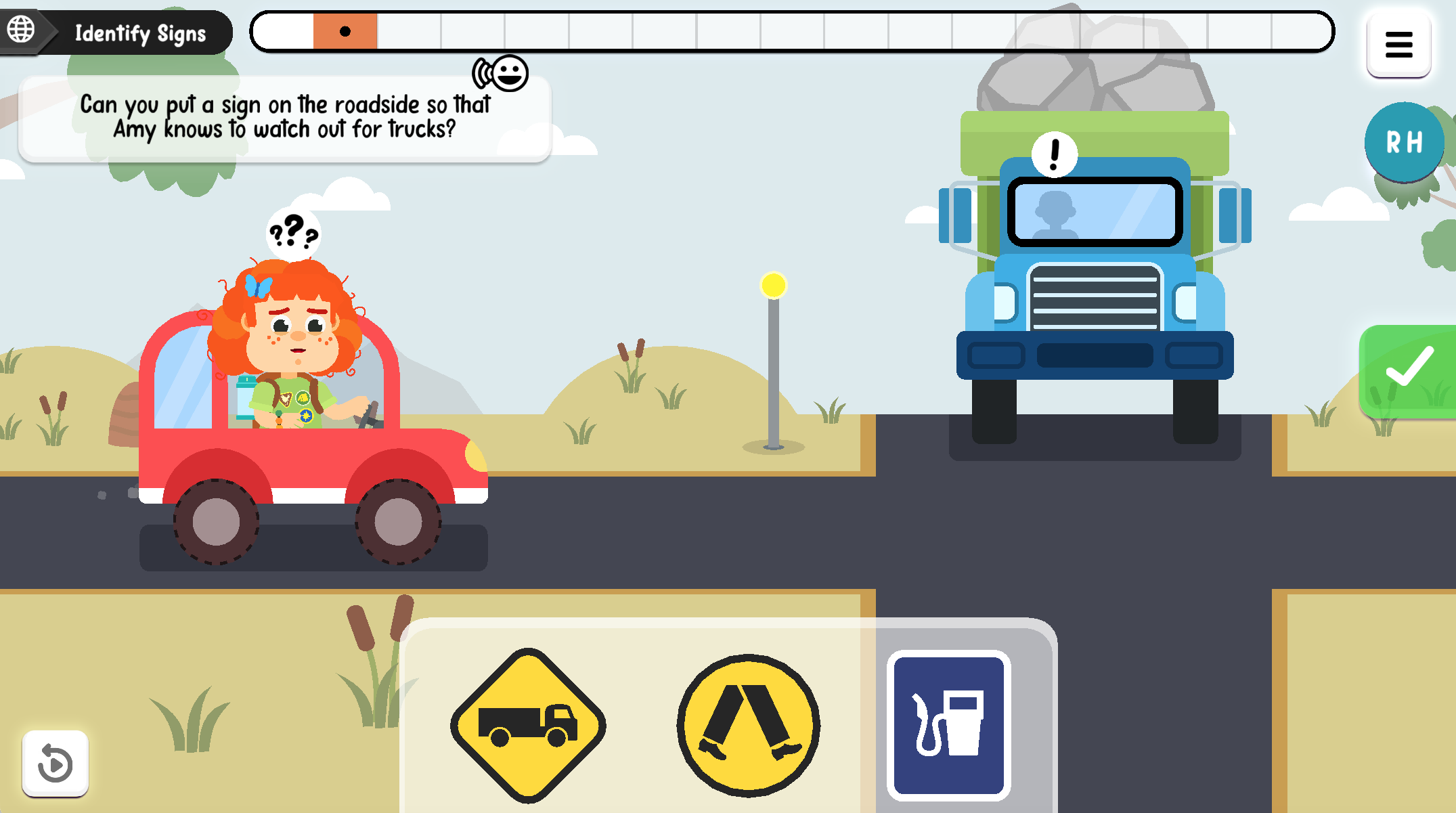
- Decoding and encoding symbols and safety signs
- Representing data spatially: 2D picture graph
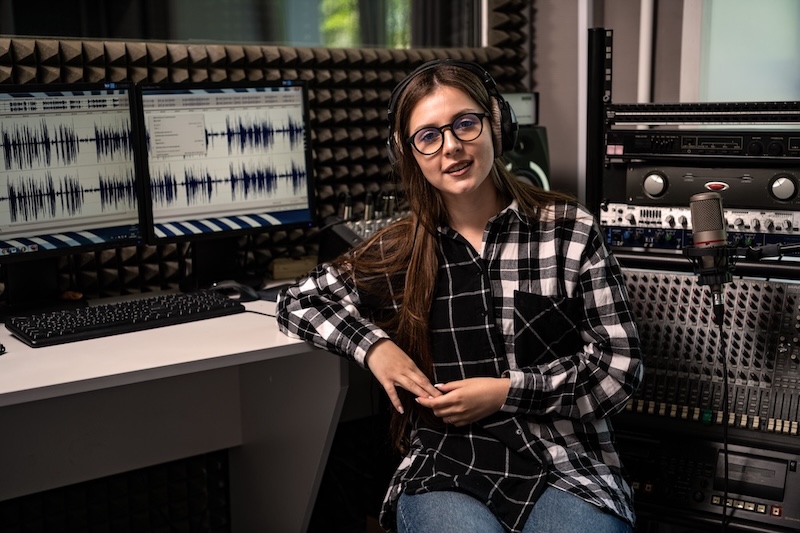
Year Two – Becoming a Sound Technician
Students will learn about:
- Locating and describing sound using position and direction words
- Recognising 2D shapes and 3D objects within musical instruments
- Representing sound with symbols on a sound map, graphic score and timeline
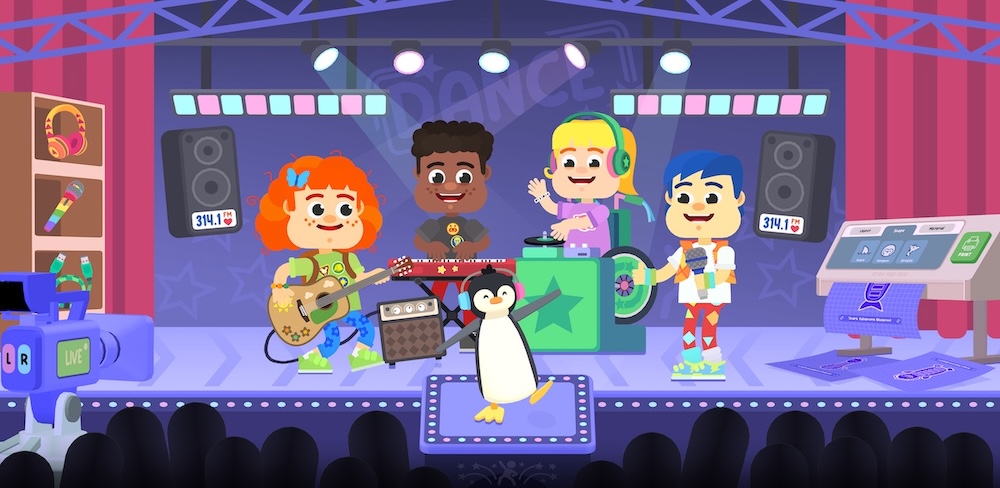
- Creating stage plans: performer versus audience perspective
Year Three – Becoming an Interior Designer
Students will learn about:
- Composing and decomposing shapes
- Layering, arranging, tessellating and iterating shapes
- Visual arrays
- 3D block counting

Year Four – Becoming an Industrial Designer
Students will learn about:
- Systematic manipulation of shapes and images (e.g. folding/unfolding paper and paper engineering)
- Symmetry and reflections
- Cross-sections of 3D objects
- Shifting dimensions from 2D to 3D and vice versa
- Translations and scaling
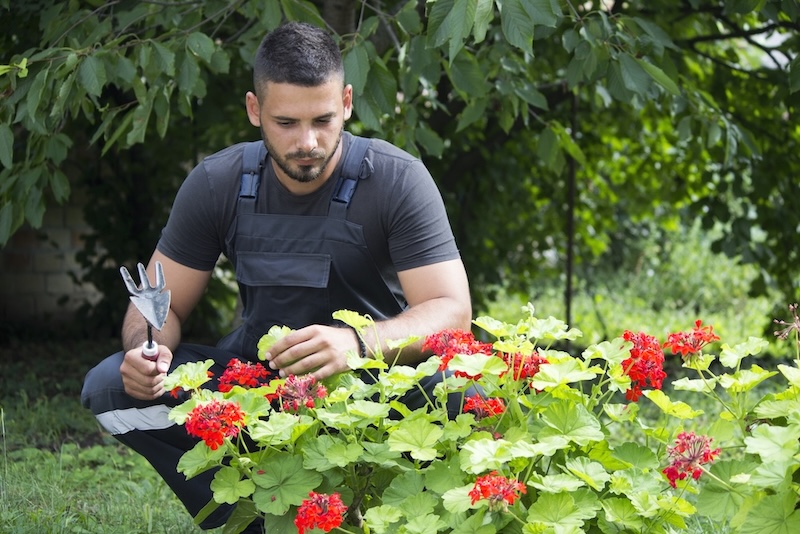
Year Five – Becoming a Horticulturalist
Students will learn about:
- Jigsaw puzzles
- 2D rotations on the plane: quarter/half turns, clockwise/anticlockwise
- 2D rotations by degrees: 45° anticlockwise understanding 3D equivalence
- 3D rotations around the X, Y and Z axes
- Rotations but not reflections
Year Six – Becoming an Architect
Students will learn about:
- Navigating using cardinal and relative directions
- Reading, drawing and interpreting maps; including different orientations
- Visual perspective taking: putting yourself in someone else’s shoes
- Orthogonal views: front, top, side
- Close links with geography, physical education and sport

Online Platform (LMS)
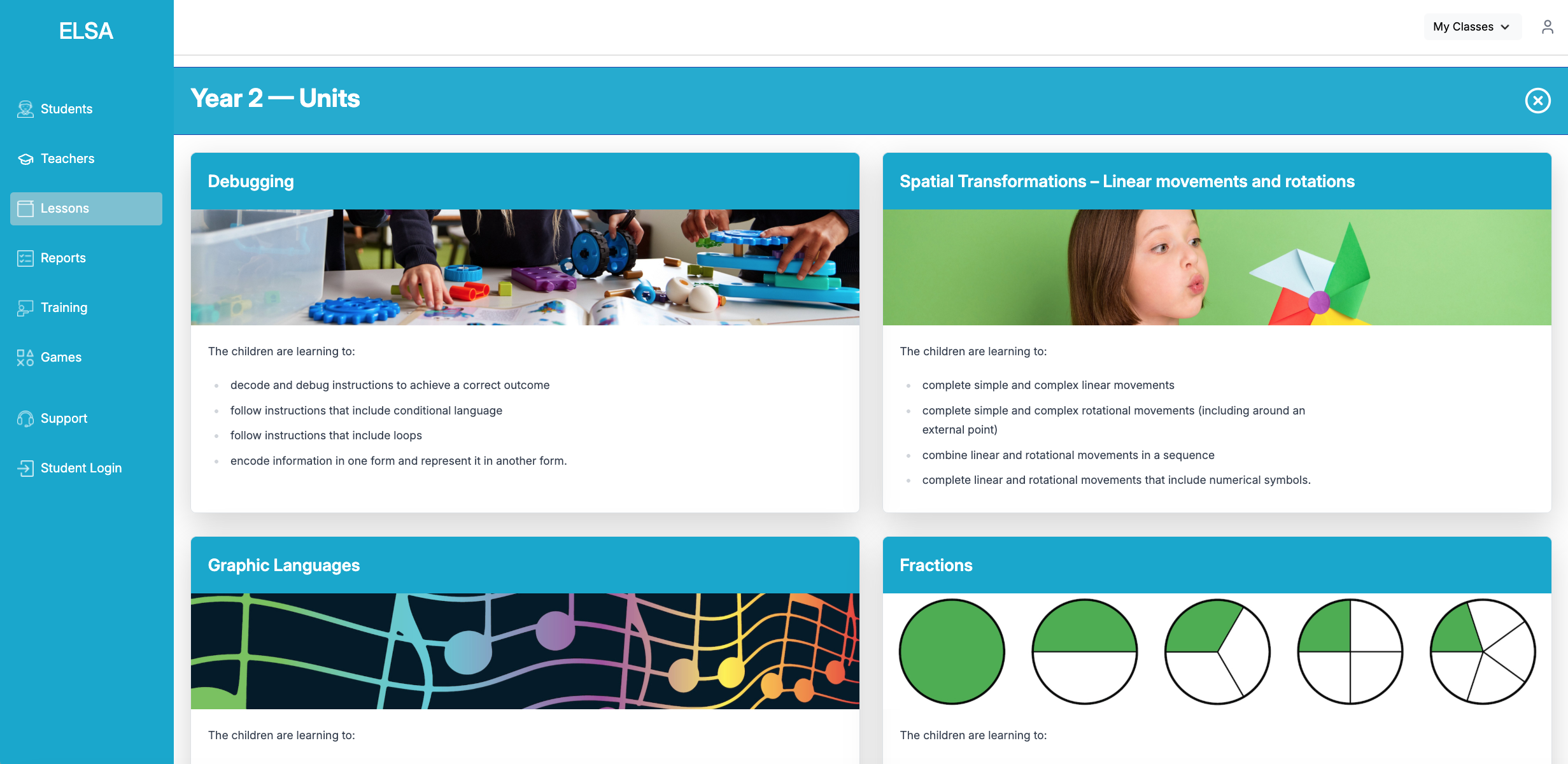
Teacher Dashboard
The Teacher Dashboard gives easy access to full program management and all our online resources, including a list of classes and students.
'How To' and Professional Learning Videos
Our Training tab gives teachers access to a number of video resources, including ‘How To’ and professional learning videos.
Lesson Plans and Classroom Activities
All lesson plans and classroom activiites are accessible via our online platform (LMS), and teachers can easily switch between classes.
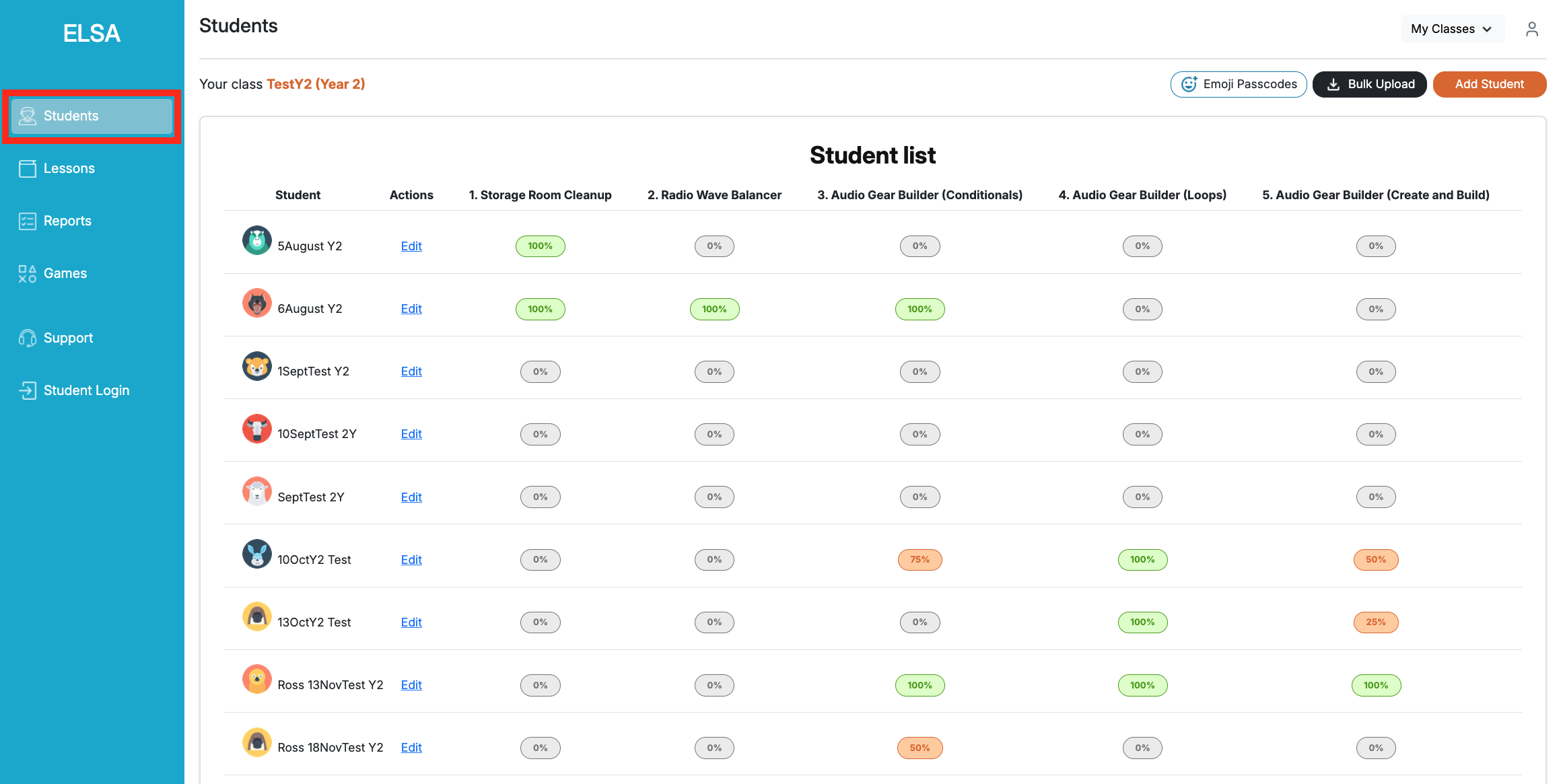
Class and Student Management
Teachers can create and mange classes as well as student profiles within our LMS. Our bulk upload feature makes this process even simpler.
Student Progress Percentages
Teachers have access to a dashboard that shows student progress with each of our digital games and challenges with percentage indicators.
Real-Time Assessment of Learning
Our program dashboard reports real-time assessment of learning to teachers, without students even realising they are being assessed.
Student Achievement Data
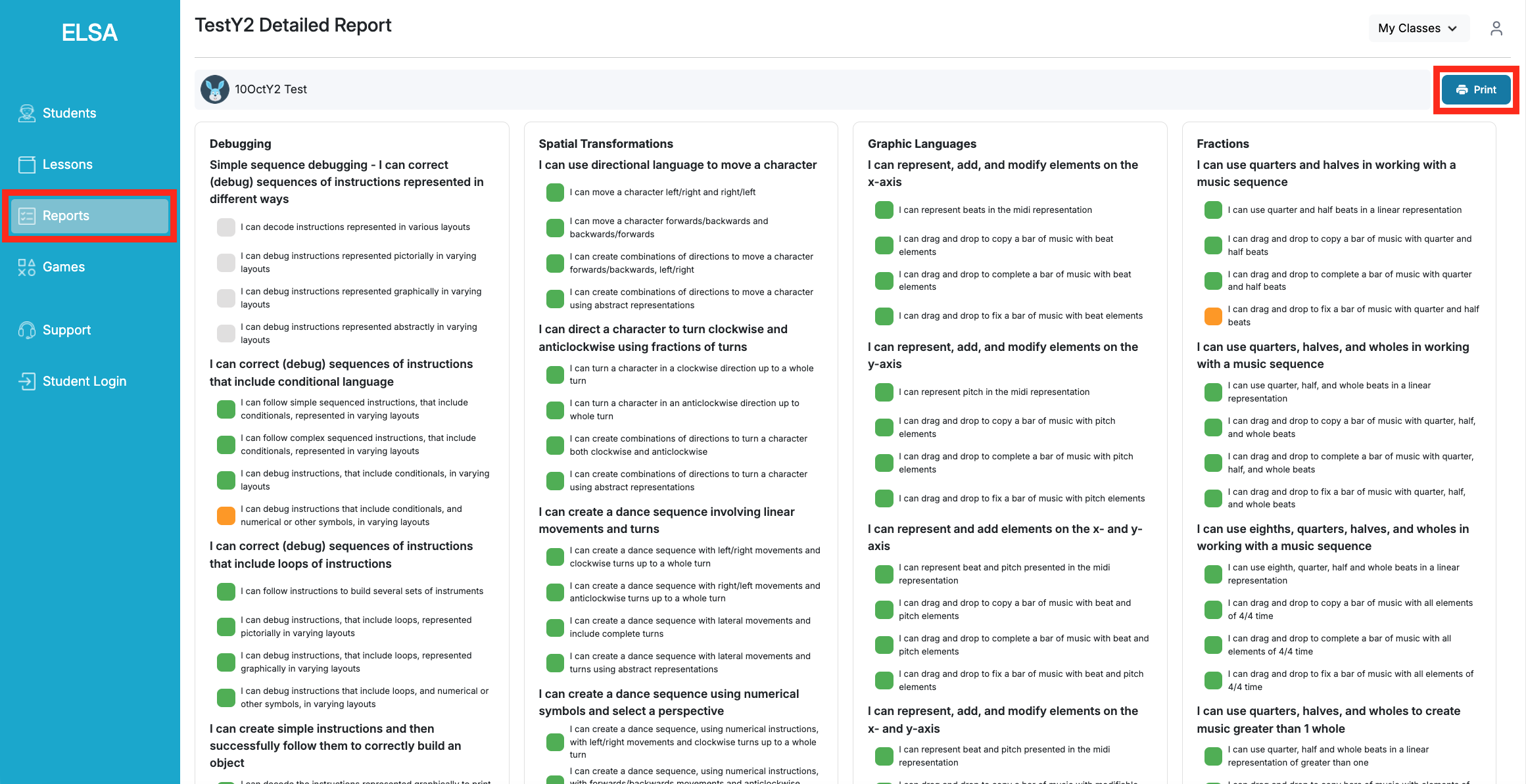
Our Reports tab shows student achievement data for each digital game or challenge. This is colour-coded to show full or partial completion.
Skills Mapping
We map student skill development in the form of ‘I Can’ statements for each digital game and challenge. These can be mapped to curricula.
Export PDF for Student Reports
Teachers have the option to export each student’s I Can statement achievement list as a PDF to use in end-of-semester reports to parents.
Our Prospectus
Find out more about how our Spatial Maths (F–6) numeracy and STEM Program can benefit your primary school.
The prospectus captures the key aspects of the program, including our digital games and challenges, the lesson plans we provide, and information about our STEM Practitioner units.